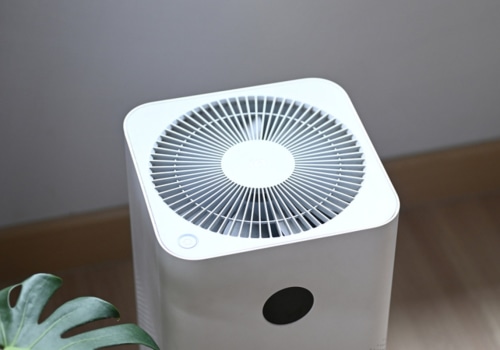
Negative ions are invisible, electrically charged particles that are naturally present in the environment. They are formed when air molecules gain an extra electron, resulting in a negative charge. This process occurs through various natural phenomena, such as sunlight, lightning, and the movement of water. In contrast, positive ions are created when molecules lose electrons, often due to pollution and other environmental stressors.
The balance between these two types of ions can significantly influence our surroundings and, more importantly, our health.The presence of negative ions is often associated with fresh, clean air, such as that found near waterfalls or after a thunderstorm. Many people report feeling invigorated and more alert in these environments, which has led to a growing interest in the potential health benefits of negative ions. Research suggests that they may help improve mood, enhance cognitive function, and even alleviate symptoms of respiratory conditions. However, while the benefits are enticing, it is essential to approach the topic with a balanced perspective.As we delve deeper into the world of negative ions, it becomes crucial to understand their dual nature.
While they can contribute positively to our well-being by purifying the air and promoting a sense of vitality, there are also risks associated with their use in artificial environments. Devices like air purifier ionizers aim to replicate the natural benefits of negative ions indoors; however, their effectiveness and safety remain subjects of ongoing research. By exploring both the advantages and potential drawbacks of negative ions, we can better appreciate their role in our health and indoor air quality.
The Science Behind Negative Ions
Negative ions are created through a process known as ionization , which involves the addition of an electron to a neutral atom or molecule, resulting in a negatively charged particle. This process can occur naturally in various environments, such as near waterfalls, during thunderstorms, and in forests, where the movement of water and air generates these beneficial ions.Understanding how negative ions work requires a closer look at their interaction with airborne particles.When negative ions are present in the atmosphere, they attach themselves to positively charged particles, such as dust, pollen, smoke, and even bacteria. This attachment causes the particles to become heavier and larger, leading them to settle out of the air more quickly. As a result, the air becomes cleaner and easier to breathe.The ionization process can be artificially replicated using devices known as ionizers or air purifiers with ionizing capabilities. These devices generate negative ions by using high-voltage electricity to create an electric field that facilitates the release of electrons into the air.
The effectiveness of these devices can vary significantly based on their design and the environment in which they are used.Research has shown that negative ions may have several health benefits. For instance, they are believed to enhance mood and alleviate stress by increasing serotonin levels in the brain. Additionally, some studies suggest that exposure to negative ions can improve respiratory function by reducing airborne allergens and irritants.However, it is essential to consider that while negative ions can contribute positively to air quality, their generation through artificial means may also pose risks. Some ionizers produce ozone as a byproduct, which can be harmful when inhaled in significant quantities.
Therefore, understanding the balance between the benefits and potential risks associated with negative ions is crucial for making informed decisions about air purifier ionizer services.In summary, the science behind negative ions reveals their potential to improve indoor air quality by interacting with airborne pollutants. However, careful consideration must be given to the methods used for their generation to ensure that health benefits are maximized while minimizing any associated risks.
Health Benefits of Negative Ions
Negative ions have garnered attention for their potential health benefits, particularly in enhancing mood and improving respiratory function. Research suggests that exposure to negative ions can lead to a variety of positive outcomes for our overall well-being.One of the most notable effects of negative ions is their ability to influence mood. Studies have shown that environments rich in negative ions can help alleviate symptoms of depression and anxiety.For instance, a study published in the Journal of Alternative and Complementary Medicine found that participants exposed to negative ions reported significant improvements in mood and a reduction in feelings of stress. This is believed to be linked to the way negative ions interact with serotonin, a neurotransmitter that plays a crucial role in regulating mood.In addition to mood enhancement, negative ions are also associated with improved respiratory health. They work by attaching themselves to airborne particles such as dust, pollen, and smoke, causing these particles to clump together and fall out of the air. This process can lead to cleaner air, which is particularly beneficial for individuals suffering from allergies or asthma.
A study conducted by the American Journal of Respiratory and Critical Care Medicine indicated that patients with asthma experienced fewer symptoms when exposed to environments with higher concentrations of negative ions.Furthermore, negative ions may contribute to better lung function. Research has shown that they can help increase oxygen uptake in the lungs, which is essential for maintaining energy levels and overall health. Enhanced oxygen levels can lead to improved physical performance and increased stamina, making it easier for individuals to engage in physical activities.Moreover, the presence of negative ions can promote better sleep quality. A study published in The Journal of Sleep Research found that individuals who slept in environments with elevated negative ion levels reported deeper sleep and felt more refreshed upon waking.
This improvement in sleep quality can have cascading effects on overall health, including better cognitive function and enhanced immune response.In summary, the health benefits associated with negative ions are multifaceted, encompassing improvements in mood, respiratory function, and sleep quality. As research continues to explore these effects, it becomes increasingly clear that integrating air purifier ionizer services into our indoor environments could play a significant role in enhancing our health and well-being.
Potential Risks of Negative Ions
While the benefits of negative ions are often highlighted, it is equally important to consider the potential risks associated with their use, particularly in the context of air purifier ionizer services. Recent studies have raised concerns about the adverse effects that high concentrations of negative ions may have on human health, especially regarding cardiovascular function.One of the most significant findings relates to heart health. A study funded by the Singapore Millennium Foundation revealed that exposure to ionizers could negatively impact heart rate variability (HRV). associated with their use, particularly in the context of air purifier ionizer services. Recent studies have raised concerns about the adverse effects that high concentrations of negative ions may have on human health, especially regarding cardiovascular function.One of the most significant findings relates to heart health. A study funded by the Singapore Millennium Foundation revealed that exposure to ionizers could negatively impact heart rate variability (HRV).HRV is a crucial indicator of cardiovascular health, reflecting the heart's ability to respond to stress and maintain a balanced autonomic nervous system. A decrease in HRV can be associated with various health issues, including increased risk of heart disease.Moreover, ionizers work by emitting charged particles into the air, which can lead to an accumulation of electrical charges in indoor environments. This buildup can create an environment that may not be conducive to health, particularly for individuals with pre-existing conditions such as asthma or other respiratory issues. The presence of excessive negative ions can also lead to discomfort, including headaches and fatigue, as some individuals may be sensitive to changes in air quality.Another concern is related to the effectiveness of ionizers in removing harmful particles from the air.
While they are marketed as devices that can eliminate bacteria, viruses, and allergens, there is limited research supporting their efficacy compared to traditional air filtration systems. In some cases, ionizers may even produce ozone as a byproduct, which is known to be harmful when inhaled and can exacerbate respiratory problems.In addition to these health risks, there are environmental considerations. The production and disposal of ionizing devices contribute to electronic waste, which poses a threat to both human health and the environment. As consumers become more aware of sustainability issues, it is essential to weigh the benefits of negative ions against their potential environmental impact.In conclusion, while negative ions can offer certain advantages for indoor air quality, it is crucial for consumers to be informed about the risks associated with their use.
Understanding these potential side effects allows individuals to make educated decisions regarding air purifier ionizer services and their overall health.
Air Purifier Ionizer Services: What You Need to Know
When considering air purifier ionizer services, it’s essential to understand the various factors that contribute to the effectiveness of these devices. With a plethora of options available on the market, making an informed choice can significantly enhance your indoor air quality.Choosing the Right Air Purifier Ionizer
To select an effective air purifier ionizer, consider the following key features:
- Type of Ionization: Look for devices that utilize bipolar ionization, which generates both positive and negative ions. This method is often more effective in neutralizing airborne particles and pathogens.
- CADR Rating: The Clean Air Delivery Rate (CADR) measures how quickly an air purifier can filter out smoke, dust, and pollen. A higher CADR indicates better performance.
- Filter Quality: While ionizers reduce particles in the air, they should ideally be paired with HEPA filters to capture smaller contaminants effectively.
Ensure that the device you choose has a high-quality filter system.
- No Ozone Emission: Some ionizers produce ozone as a byproduct, which can be harmful to health. Opt for models that are certified to emit low or no ozone.
- Noise Level: Consider the noise level of the device, especially if you plan to use it in bedrooms or quiet spaces. Look for models that operate quietly without compromising performance.
Understanding Ionizer Effectiveness
The effectiveness of an air purifier ionizer can vary based on several factors:
- Room Size: Ensure that the ionizer is suitable for the size of the room where it will be used. A device designed for a small space may not perform well in larger areas.
- Airflow Patterns: The placement of the ionizer can impact its efficiency.
Position it in a way that allows for optimal airflow throughout the room.
- Maintenance Requirements: Regular maintenance is crucial for optimal performance. Check how often filters need to be replaced and whether the device requires cleaning.
Comparing Ionizers with Traditional Air Purifiers
When it comes to improving indoor air quality, two popular options are ionizers and traditional air purifiers. Understanding the differences between these two technologies is crucial for making an informed decision about which one best suits your needs.How Ionizers Work
Ionizers operate by emitting negative ions into the air.
These ions attach themselves to positively charged particles, such as dust, pollen, and smoke, causing them to clump together and fall to the ground or adhere to surfaces. This process can effectively reduce airborne pollutants, but it does not capture them in a filter, which means that while the air may appear cleaner, the particles are still present in the environment.
How Traditional Air Purifiers Work
In contrast, traditional air purifiers typically use HEPA (High-Efficiency Particulate Air) filters to physically trap particles as air passes through them. These filters can capture up to 99.97% of particles that are 0.3 microns in size, including allergens, dust mites, and pet dander. This method not only cleans the air but also prevents the re-release of pollutants back into the environment.
Effectiveness in Removing Pollutants
- Ionizers: While ionizers can reduce airborne particles, their effectiveness can vary based on environmental conditions such as humidity and airflow.
Additionally, they may produce ozone as a byproduct, which can be harmful to health.
- Traditional Air Purifiers: These devices are generally more reliable in removing a wide range of pollutants from the air. HEPA filters are particularly effective for individuals with allergies or respiratory issues.
Overall Impact on Indoor Air Quality
The choice between ionizers and traditional air purifiers ultimately depends on your specific needs. If you are looking for a device that captures and contains pollutants effectively, a traditional air purifier with a HEPA filter is likely the better option. However, if you prefer a device that can help reduce static electricity and improve overall air freshness without needing frequent filter changes, an ionizer might be appealing.In conclusion, both ionizers and traditional air purifiers have their unique advantages and limitations.
Evaluating your indoor air quality needs will help you choose the most suitable option for maintaining a healthier living environment.
Real-Life Applications and Case Studies
Negative ion generators, commonly found in air purifier ionizer services, have been implemented in various environments, showcasing both their potential benefits and associated risks. Understanding these real-life applications can provide valuable insights into how negative ions affect our health and well-being.One notable case study took place in a large office building where air quality was a significant concern due to high levels of indoor pollutants. The management decided to install a series of ionizing air purifiers throughout the facility. Over a six-month period, employees reported a noticeable improvement in their overall health.Many claimed to experience fewer headaches and respiratory issues, attributing these changes to the enhanced air quality provided by the ionizers. However, it is essential to note that while some employees thrived, others reported increased feelings of anxiety and discomfort, highlighting the mixed effects of negative ions on different individuals.In another instance, a school district implemented ionizing devices in classrooms to combat allergens and airborne pathogens. Teachers observed that students with asthma had fewer attacks during the school year when the ionizers were operational. Parents also shared testimonials about their children experiencing less frequent colds and respiratory infections.
However, subsequent studies raised concerns about the impact of ionizers on heart rate variability (HRV), suggesting that while respiratory benefits were evident, there could be hidden risks to cardiovascular health.Testimonials from users of home air purifiers equipped with negative ion technology further illustrate the varied experiences. One user reported feeling more energized and alert after using an ionizer in their bedroom, claiming improved sleep quality and reduced allergy symptoms. Conversely, another user expressed dissatisfaction, stating that they experienced headaches and fatigue after prolonged exposure to the device.These real-life applications underscore the importance of considering individual health conditions and environmental factors when evaluating the effectiveness of negative ion generators. While many users report positive outcomes, it is crucial to remain aware of potential risks associated with prolonged exposure to ionized air.In conclusion, case studies and testimonials reveal a complex relationship between negative ions and human health.
As research continues to evolve, understanding these dynamics will be vital for making informed decisions about air purifier ionizer services in both residential and commercial settings.
Frequently Asked Questions About Negative Ions and Air Purifiers
As the interest in negative ions and their effects on health continues to grow, many people have questions about how they work, especially in relation to air purifier ionizer services. Below are some frequently asked questions that can help clarify common misconceptions and provide valuable insights.What are negative ions?
Negative ions are molecules that have gained an electron, giving them a negative charge. They are naturally occurring in the environment, particularly in areas with high levels of natural energy, such as near waterfalls, beaches, and forests. These ions are believed to have various health benefits, including improving mood and enhancing overall well-being.How do air purifiers with ionizers work?
Air purifiers equipped with ionizers release negative ions into the air.These ions attach themselves to positively charged particles like dust, pollen, and smoke, causing them to clump together and fall out of the air. This process can help reduce airborne pollutants and improve indoor air quality.
Are there any health risks associated with using ionizers?
While there are potential benefits to using ionizers, there are also risks. Some studies suggest that ionizers can produce ozone as a byproduct, which can be harmful to respiratory health. Additionally, excessive exposure to high concentrations of negative ions may lead to electrical imbalances in the body.It is essential to choose devices that comply with safety standards and to use them as directed.
Can negative ions help with allergies or asthma?
Many users report relief from allergy symptoms when using air purifiers with ionizers. By reducing airborne allergens like pollen and dust mites, these devices may help alleviate respiratory issues for some individuals. However, results can vary from person to person, and it is advisable for those with severe conditions to consult a healthcare professional.What should I look for when choosing an air purifier?
- Filtration System: Look for HEPA filters that can capture small particles effectively.
- Ozone Emission: Ensure the device produces minimal or no ozone.
- Noise Level: Consider how loud the unit is during operation.
- Maintenance: Check how often filters need to be replaced and the cost involved.
Conclusion: Weighing the Benefits Against the Risks
In conclusion, the exploration of negative ions and their impact on our health reveals a complex interplay of benefits and risks that cannot be overlooked.As we have discussed, negative ions are naturally occurring particles that can enhance our well-being by improving air quality and potentially boosting mood and energy levels. However, the introduction of air purifier ionizer services into our indoor environments necessitates a careful evaluation of their effects.On one hand, the advantages of negative ions include:
- Improved Air Quality: Negative ions can help reduce airborne pollutants by causing them to clump together and settle out of the air.
- Enhanced Mood: Many users report feeling more energized and less stressed in environments rich in negative ions.
- Potential Respiratory Benefits: Some studies suggest that negative ions may aid in alleviating respiratory issues by reducing allergens and irritants in the air.
- Health Concerns: Research indicates that excessive exposure to ionizing devices may negatively affect heart rate variability, raising concerns about cardiovascular health.
- Electrical Charge Build-Up: Ionizers can create high levels of electrical charge in indoor spaces, which may lead to discomfort or other health issues.
- Lack of Comprehensive Research: The long-term effects of using ionizing air purifiers remain largely unstudied, leaving many questions unanswered.
By staying educated and cautious, we can harness the positive aspects of negative ions while safeguarding our overall health.